
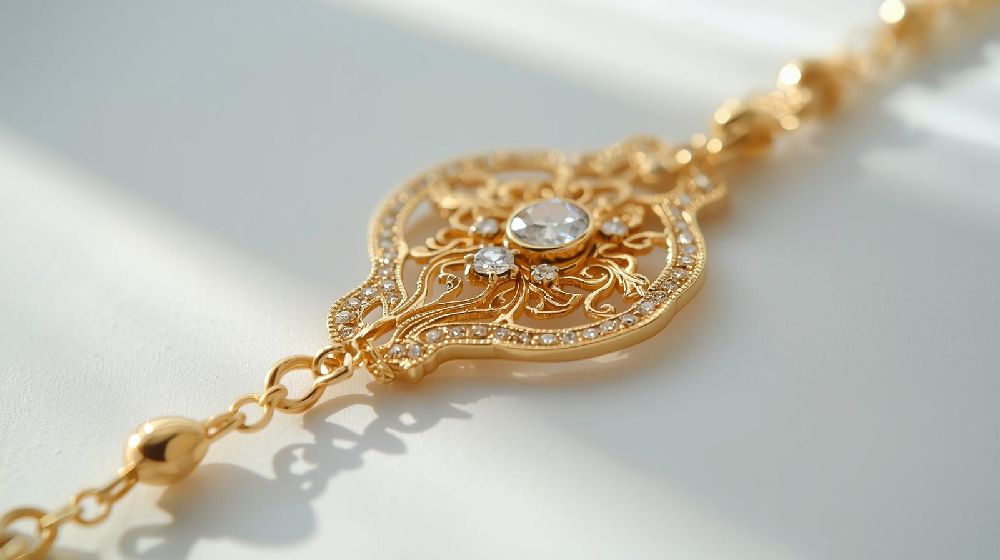
 Jewelry has always been a form of artistic expression, combining craftsmanship with precious materials to create beautiful designs. One of the most elegant and intricate techniques used in gold jewelry is filigree. Known for its delicate patterns and lace-like appearance, filigree jewelry has been admired for centuries.
In modern jewelry manufacturing, the filigree technique continues to be widely used to create unique and sophisticated gold jewelry pieces. At DVN Jewelry, skilled artisans combine traditional craftsmanship with modern manufacturing methods to produce stunning filigree designs that reflect both artistry and precision.
This article explores the filigree jewelry technique, how it is made, and why it remains a timeless choice in gold jewelry design.
What is Filigree Jewelry?
Filigree is a jewelry-making technique that involves twisting and shaping very thin metal wires—usually gold or silver—into intricate patterns and decorative designs. These wires are carefully soldered together to form delicate motifs such as swirls, floral patterns, and geometric shapes.
The result is a lightweight yet highly decorative piece of jewelry that resembles fine lace made from precious metal.
Filigree jewelry is commonly used in rings, pendants, earrings, and bracelets, adding a vintage and artistic touch to jewelry collections.
History of Filigree Jewelry
Filigree is one of the oldest jewelry-making techniques in the world. It has been used for thousands of years by different civilizations, including ancient cultures in the Middle East, Europe, and Asia.
Traditional artisans developed filigree techniques by hand, carefully shaping metal wires into elaborate designs. Over time, the technique evolved with modern tools and technology, allowing manufacturers to create even more precise and complex filigree patterns.
Today, filigree jewelry continues to represent heritage craftsmanship combined with modern jewelry design.
How Filigree Jewelry is Made
Creating filigree jewelry requires patience, precision, and expert craftsmanship. The process generally includes the following steps:
1. Creating the Base Design
The jewelry design is first planned and drawn or created using modern CAD (Computer-Aided Design) software. This allows designers to visualize the intricate patterns before production begins.
2. Preparing Fine Metal Wires
Very thin gold wires are created and shaped according to the design. These wires must be extremely delicate while still maintaining structural strength.
3. Shaping the Filigree Pattern
The wires are carefully twisted, curled, and arranged into decorative patterns such as spirals, floral motifs, and geometric shapes.
This step requires great skill and attention to detail.
4. Soldering the Design
Once the pattern is formed, the wires are soldered together to secure the structure. The jeweler ensures that all parts of the design are firmly connected.
5. Finishing and Polishing
The final step involves polishing the jewelry piece to enhance the shine of the gold and highlight the intricate details of the filigree work.
The result is a refined and elegant piece of jewelry with delicate openwork patterns.
Benefits of Filigree Jewelry
Elegant and Artistic Design
Filigree jewelry is known for its beautiful, decorative patterns that create a sophisticated and artistic appearance.
Lightweight Jewelry
Because filigree designs use thin wires and open patterns, the jewelry is typically lightweight and comfortable to wear.
Timeless Appeal
Filigree jewelry has remained popular for centuries due to its classic and vintage aesthetic.
Unique Craftsmanship
Each filigree piece requires careful craftsmanship, making it a distinctive and detailed jewelry style.
Popular Jewelry Pieces Featuring Filigree
Filigree designs are commonly used in many types of jewelry, including:
-
Gold filigree rings
-
Decorative pendants
-
Vintage-style earrings
-
Ornamental bracelets
-
Religious jewelry designs
These pieces often combine filigree patterns with gemstones to create even more luxurious designs.
Filigree in Modern Jewelry Manufacturing
Modern jewelry manufacturers combine traditional filigree craftsmanship with advanced technology such as CAD design and precision casting. This allows designers to produce complex filigree patterns with greater consistency and accuracy.
The blend of traditional artistry and modern techniques helps manufacturers create detailed jewelry pieces that appeal to today’s customers.
How DVN Jewelry Creates Filigree Gold Jewelry
At DVN Jewelry, filigree jewelry is produced using a combination of skilled craftsmanship and advanced manufacturing techniques. Designers carefully develop intricate patterns, while experienced artisans ensure that every detail is crafted with precision.
By maintaining high-quality standards and attention to detail, DVN Jewelry creates elegant filigree gold jewelry that reflects both tradition and modern design innovation.
Conclusion
The filigree jewelry technique is a beautiful example of the artistry involved in jewelry making. With its delicate wire patterns and intricate craftsmanship, filigree jewelry continues to be admired for its elegance and timeless appeal.
For jewelry manufacturers and designers, mastering filigree techniques allows the creation of unique and sophisticated gold jewelry pieces. With a blend of tradition, innovation, and skilled craftsmanship, companies like DVN Jewelry continue to bring the art of filigree jewelry to modern collections.